
Cheapest Insurance After Breathalyzer Refusal — Arizona
Free to compare
The Structural Reality You Face Right Now
You refused the breathalyzer at the traffic stop. Arizona Motor Vehicle Division sent the Admin Per Se suspension notice: 12 months, effective in 15 days, zero driving privileges during that period. You called MVD asking about a restricted license for work—the answer was no. Now you're confused why the DMV website says you need insurance to reinstate when you cannot legally drive for a full year.
This is the structural tension breathalyzer refusal creates in Arizona. Under A.R.S. §28-1321, implied consent refusal triggers a 12-month administrative suspension with no hardship or restricted driving option—unlike a DUI conviction under §28-1385, which allows restricted privileges after the first 30 days. Yet Arizona still requires SR-22 filing when you reinstate, meaning you must maintain insurance coverage for the entire suspension period despite having zero legal driving privileges. The carriers who write policies for this situation are not the ones who insure clean-record drivers.
“Breathalyzer refusal carries a 12-month absolute suspension in Arizona—no restricted license at any point—yet still requires SR-22 filing to reinstate.”

Line Up Arizona Coverage Before Reinstatement
Get My Arizona Suspended License Insurance Quote12 months
AZ Refusal Suspension Period
Arizona's implied consent suspension for breathalyzer refusal runs 12 months from the effective date with no restricted license eligibility at any point. DUI convictions by contrast face 90-day Admin Per Se suspensions with restricted options after day 30.
A.R.S. §28-1321
Why Refusal Suspensions Block Hardship Licenses
Arizona separates administrative suspensions into two statutory pathways. A.R.S. §28-1385 governs Admin Per Se suspensions for failing a breathalyzer (BAC ≥0.08): 90 days total, with restricted license eligibility after the first 30-day hard suspension. A.R.S. §28-1321 governs implied consent suspensions for refusing the test entirely: 12 months total, with no restricted license provision anywhere in the statute.
This is not an oversight. The legislature structured refusal suspensions as absolute—no work permit, no school exception, no childcare carveout. MVD has no discretion to grant restricted privileges under §28-1321. If you refused the test, you accepted the 12-month no-driving period when you obtained your Arizona license. The consent is implied in the act of driving; refusal voids the restricted-license pathway entirely.
The practical consequence: breathalyzer refusal carries a harsher administrative penalty than a first-offense DUI conviction in Arizona, despite producing no BAC evidence. This surprises most drivers at the traffic stop, but the statutory structure is unambiguous once you reach MVD.
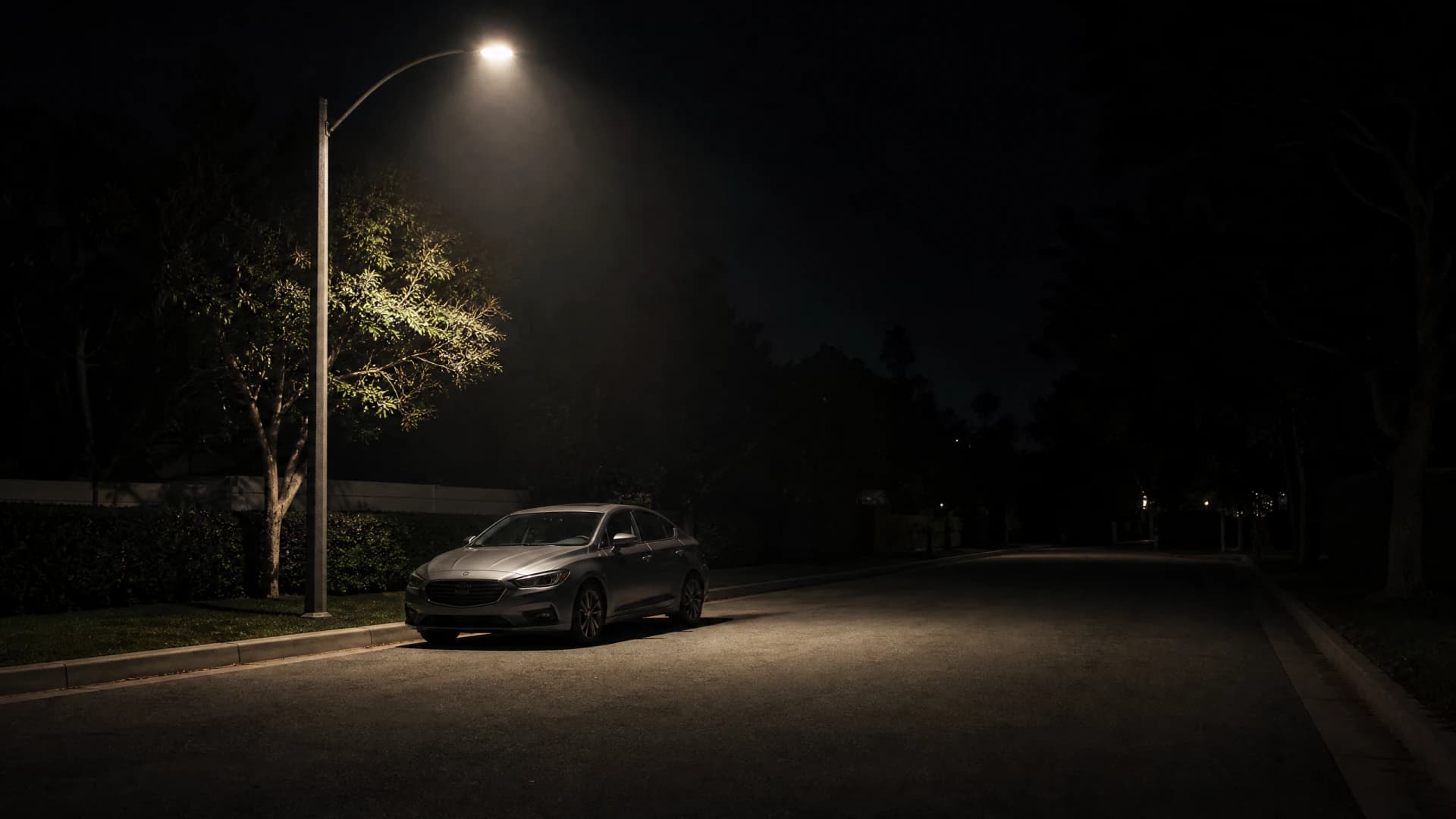
Arizona law bars restricted licenses for breathalyzer refusal—unlike DUI convictions—meaning you cannot legally drive at any point during the 12-month Admin Per Se suspension period.





Which Carriers Write Policies for Refusal Suspensions
Standard-tier carriers—Allstate, State Farm, American Family, Nationwide, Travelers—either decline breathalyzer refusal cases outright or price them into the assigned-risk pool where quotes exceed $300/month. These carriers reserve standard pricing for drivers with clean MVD records; an Admin Per Se suspension disqualifies you from their preferred underwriting tiers regardless of how long ago the refusal occurred.
Non-standard carriers write the majority of post-refusal policies in Arizona: Progressive, Geico, Acceptance, Bristol West, Dairyland, GAINSCO, The General, Infinity, and National General. These carriers specialize in high-risk underwriting and file SR-22 electronically as part of policy issuance. Monthly premiums for minimum-liability SR-22 policies in Arizona typically range $95–$165 depending on age, county, and whether you own a vehicle. Phoenix and Tucson ZIP codes run $10–$20/month higher than rural counties due to claim frequency density.
If you sold your vehicle during the suspension and do not plan to own one when you reinstate, you need a non-owner SR-22 policy. This covers you when driving borrowed or rental vehicles and satisfies Arizona's SR-22 filing requirement without insuring a specific car. Non-owner premiums run $40–$75/month with carriers like Progressive, Geico, Dairyland, GAINSCO, and The General. The SR-22 filing works identically—your carrier transmits proof of coverage to MVD and you maintain the policy for 3 years post-reinstatement to avoid re-suspension.
$95–$165/mo
AZ Refusal SR-22 Premium Range
Non-standard carriers writing post-refusal SR-22 policies in Arizona charge $95–$165/month for minimum liability coverage, with non-owner policies at $40–$75/month. Standard-tier carriers either decline or quote $300+/month. Rates vary by age, county, and vehicle.
Estimates based on available carrier filings; individual rates vary

Timeline and Cost to Reinstate
Arizona's reinstatement process for implied consent suspensions requires: proof of SR-22 filing on MVD's system, payment of the $50 reinstatement fee (not the standard $10 fee—refusal suspensions carry the DUI-tier reinstatement cost), and completion of an alcohol screening through a state-approved provider if MVD flags your case for assessment. Not all refusal cases require screening, but MVD has discretion to mandate it when the refusal occurred during a suspected DUI stop.
Start shopping for SR-22 coverage 10–14 days before your suspension ends. Request quotes from at least three non-standard carriers, confirm each can file SR-22 electronically in Arizona, and bind the policy 3–5 business days before your reinstatement date to ensure MVD's system reflects the active filing when you appear. If you wait until the day before reinstatement and your carrier's filing has not yet processed into MVD's database, you pay the fee twice.
What Happens Next
You are 12 months from being able to drive legally again. The path forward is straightforward but unforgiving of timing mistakes: maintain your current address on file with MVD so the reinstatement notice reaches you 30 days before eligibility, obtain SR-22 quotes from non-standard carriers 10–14 days before reinstatement, bind coverage and confirm your carrier has transmitted the filing to MVD, complete any required alcohol screening if MVD sends notice, and appear at MVD with proof of SR-22, payment for the $50 fee, and any screening completion certificate. Missing any step resets the clock. Compare carriers writing post-refusal SR-22 policies in Arizona now so you know which quotes to request when your reinstatement window opens.
SR-22 Filing Requirement at Reinstatement
SR-22 is not insurance—it is a state-mandated liability certificate your insurer files electronically with MVD confirming you carry at least Arizona's minimum liability limits: $25,000 bodily injury per person, $50,000 per accident, $15,000 property damage. The filing itself costs $15–$35 depending on carrier; the higher cost comes from the non-standard premiums carriers charge drivers with Admin Per Se suspensions on record. Arizona requires you maintain continuous SR-22 filing for 3 years from reinstatement. If your policy lapses or cancels during that period, your carrier notifies MVD electronically and your license suspends again immediately.
You cannot reinstate without proof of SR-22 on file. This means you must purchase a policy and have your carrier file SR-22 before your reinstatement appointment, even though the suspension has not yet ended. Most drivers wait until day 364 of the suspension to start shopping for coverage—this creates a timing problem. Carriers need 1–3 business days to process SR-22 filing and transmit it to MVD's system. If you show up to reinstate and MVD's system shows no active SR-22 on file, you leave without a license and pay the $50 reinstatement fee again when you return.
Get Your Free Quote
Get My Arizona Suspended License Insurance QuoteFrequently Asked Questions
Do I need insurance during my breathalyzer refusal suspension in Arizona if I can't drive?
You are not legally required to maintain insurance during the 12-month suspension itself, but you must have an active SR-22 policy on file with MVD when you reinstate. Most drivers purchase the policy 3–5 days before reinstatement to ensure the filing processes in time. Letting coverage lapse after reinstatement triggers immediate re-suspension.
How much does SR-22 insurance cost after a breathalyzer refusal in Arizona?
Non-standard carriers in Arizona charge $95–$165/month for minimum-liability SR-22 policies after implied consent suspensions. Non-owner policies cost $40–$75/month if you do not own a vehicle. Standard carriers either decline refusal cases or quote $300+/month. Rates vary by age, county, and driving history beyond the refusal.
Can I get a hardship license in Arizona after refusing a breathalyzer?
No. Arizona law (A.R.S. §28-1321) does not allow restricted or hardship licenses for implied consent suspensions. You face a 12-month absolute suspension with zero driving privileges. DUI convictions under §28-1385 allow restricted licenses after 30 days, but breathalyzer refusal does not.
How long do I have to keep SR-22 insurance in Arizona after reinstatement?
Arizona requires continuous SR-22 filing for 3 years from your reinstatement date. If your policy lapses or cancels at any point during those 3 years, your carrier notifies MVD electronically and your license suspends again immediately. The 3-year period does not include the suspension itself—it starts when you reinstate.
Which insurance companies in Arizona will cover me after a breathalyzer refusal?
Non-standard carriers write most post-refusal policies in Arizona: Progressive, Geico, Acceptance, Bristol West, Dairyland, GAINSCO, The General, Infinity, and National General. These carriers specialize in high-risk cases and file SR-22 electronically. Standard-tier carriers like State Farm and Allstate typically decline or quote uncompetitive rates for Admin Per Se suspensions.
What is the reinstatement fee for a breathalyzer refusal suspension in Arizona?
$50. This is the DUI-tier reinstatement fee, not the standard $10 fee. You pay this when you reinstate at MVD after the 12-month suspension ends. You must also have proof of SR-22 filing on MVD's system and complete any required alcohol screening before reinstatement is approved.
Can I drive in Arizona while my breathalyzer refusal suspension is active?
No. Arizona's implied consent suspension under A.R.S. §28-1321 is absolute—you have zero legal driving privileges for the full 12 months. Driving on a suspended license during this period is a class 1 misdemeanor and adds further suspension time when caught.