
Non-Owner SR-22 Insurance — Arizona
Free to compare
SR-22 Filing Without Vehicle Ownership
Your Arizona license is suspended and MVD's reinstatement letter specifies SR-22 filing, but you sold your vehicle, your car was totaled, or you're temporarily relying on borrowed vehicles and public transit. Standard auto insurance assumes you own and regularly drive a specific vehicle — which you don't. The structural confusion: MVD demands proof of financial responsibility but you have nothing to insure.
Non-owner SR-22 insurance solves this exact problem. It provides the state-mandated liability coverage and SR-22 certificate filing without requiring vehicle ownership or registration. Arizona MVD accepts non-owner policies as valid proof of financial responsibility for license reinstatement, and carriers writing in Arizona — including GEICO, Progressive, The General, GAINSCO, and Dairyland — offer non-owner SR-22 policies specifically for drivers in this position.
“Arizona MVD accepts non-owner policies as valid proof of financial responsibility — vehicle ownership is not required for SR-22 compliance.”
Line Up Arizona Coverage Before Reinstatement
Get My Arizona Suspended License Insurance Quote$10
Arizona MVD Reinstatement Fee
Arizona's base reinstatement fee is $10 for most administrative suspensions under A.R.S. §28-4135 through §28-4148. DUI-triggered revocations carry a $50 reinstatement fee and additional requirements including alcohol screening and potential ignition interlock installation before reinstatement eligibility.
Arizona Revised Statutes Title 28, Chapter 8
What Non-Owner SR-22 Actually Covers
Non-owner SR-22 provides liability coverage when you drive a vehicle you don't own: a friend's car, a family member's vehicle, a rental, or a borrowed work vehicle. The policy covers bodily injury and property damage you cause to others, meeting Arizona's statutory minimum liability limits of $25,000 per person, $50,000 per accident for bodily injury, and $15,000 for property damage.
The policy does not cover damage to the vehicle you're driving — that's the vehicle owner's responsibility through their own collision and comprehensive coverage. It does not cover vehicles you own, vehicles registered to you, or vehicles available for your regular use (your spouse's car, for example). The moment you purchase or register a vehicle, you must convert to standard owner SR-22 insurance; the non-owner policy terminates by its own terms.
The SR-22 filing attached to the policy is the administrative form your carrier electronically submits to Arizona MVD certifying continuous coverage. MVD monitors this filing. If your policy cancels or lapses for non-payment, the carrier is required by A.R.S. §28-4135 to notify MVD immediately through Arizona's Insurance Verification System, triggering re-suspension of your license.
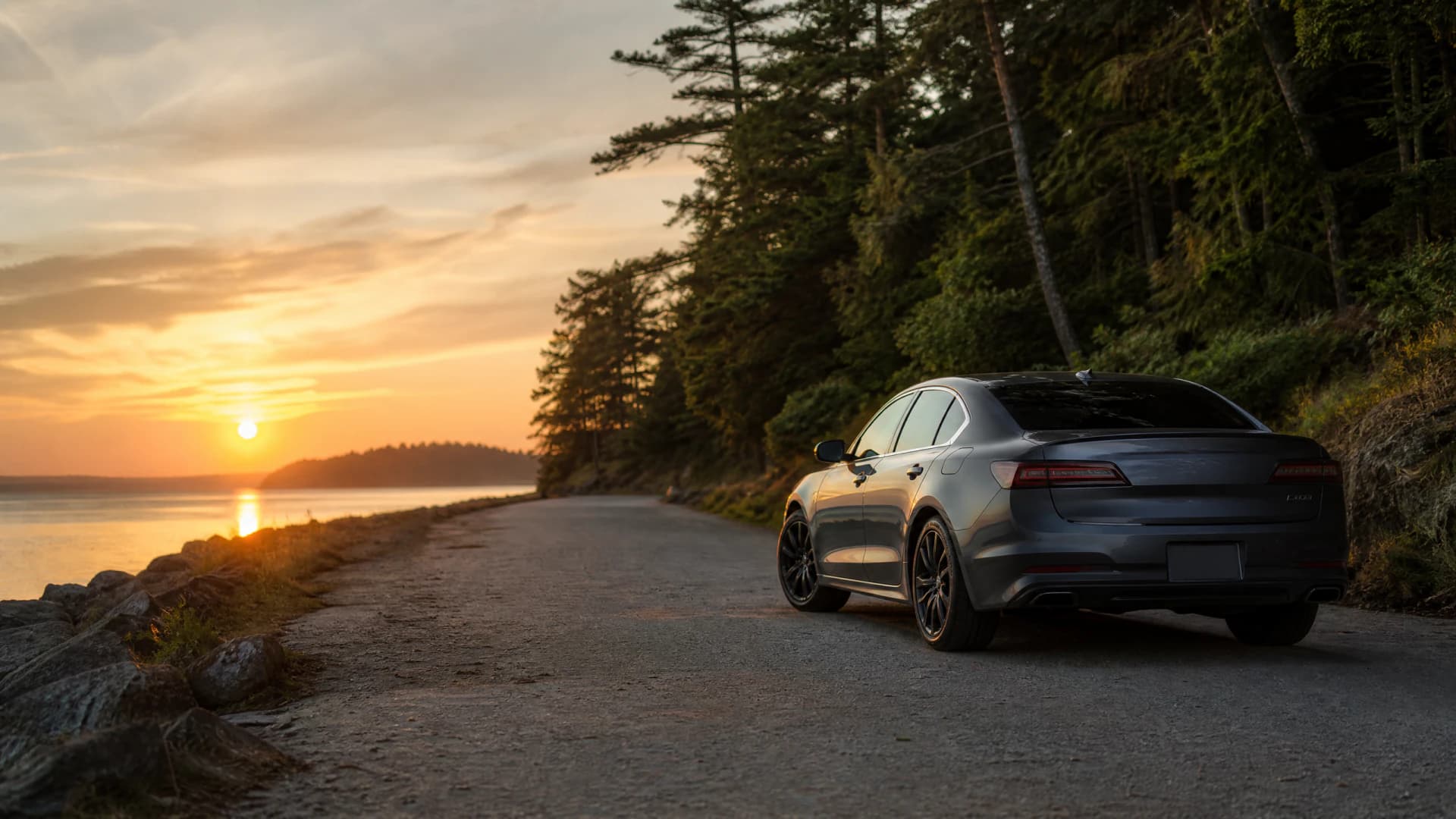
Non-owner SR-22 does not cover vehicles you own or vehicles available for your regular use — buying or registering a car requires immediate conversion to standard owner SR-22.





When You Can Use Non-Owner Coverage
Non-owner SR-22 applies when you borrow a vehicle occasionally. You drive a friend's car to a job interview. You borrow your parent's vehicle for a weekend errand. You rent a car for a business trip. In each scenario, the non-owner policy provides liability coverage for that specific drive, and the vehicle owner's policy remains primary — your non-owner coverage functions as secondary excess liability.
The policy does not apply to vehicles you drive regularly or vehicles available for your regular use, even if you don't technically own them. Arizona carriers define regular use as driving the same vehicle more than twice per week or having unrestricted access to a household vehicle. If you live with a family member who owns a car and allows you to drive it whenever you need to, that vehicle fails the non-owner eligibility test — you must be listed as a driver on the owner's standard policy instead.
Rental vehicles are covered under non-owner policies, but rental companies often require you to purchase their liability coverage at the counter because they cannot verify your non-owner policy in real time. Some non-owner policies include rental reimbursement riders that satisfy rental agencies; confirm this with your carrier before renting.
$85–$140/mo
Typical Arizona Non-Owner SR-22 Rate
Non-owner SR-22 premiums in Arizona typically range from $85 to $140 per month for drivers with DUI or uninsured-driving suspensions, based on available carrier filings. Actual quotes vary by age, violation history, county, and carrier underwriting. Rates are lower than standard owner SR-22 because no vehicle is insured.
Estimates based on available industry data; individual rates vary

Arizona-Specific Non-Owner Requirements
Arizona MVD does not distinguish between owner and non-owner SR-22 filings in its reinstatement process. Both satisfy the financial responsibility requirement. The distinction matters only at the carrier level — you apply for a non-owner policy instead of a standard auto policy, and the carrier files the SR-22 certificate in the same manner.
For DUI-triggered suspensions under A.R.S. §28-1385, Arizona's Admin Per Se process requires a 90-day suspension, with the first 30 days as a hard suspension allowing no driving. After the initial 30 days, you may apply for a Restricted Driver License that permits driving to work, school, medical appointments, and other court-approved essential activities. Non-owner SR-22 satisfies the insurance requirement for restricted license eligibility, but you must also install a certified ignition interlock device in any vehicle you operate — even borrowed vehicles — per A.R.S. §28-3319. Carriers cannot waive this requirement; it is statutory.
Arizona's implied consent law under A.R.S. §28-1321 triggers a separate MVD administrative suspension for chemical test refusal, independent of any criminal DUI proceeding. Test refusal carries a 12-month suspension with no restricted license available during the full suspension period. Non-owner SR-22 is still required for reinstatement after the 12 months expire, but you cannot use it to obtain early driving privileges — the suspension is absolute.
What Happens After You Buy a Vehicle
The moment you purchase, lease, or register a vehicle in your name, your non-owner SR-22 policy terminates. Carriers exclude owned vehicles from non-owner policies by endorsement, and continuing to drive an owned vehicle under a non-owner policy is a material misrepresentation that voids coverage. You must immediately contact your carrier to convert to a standard owner SR-22 policy with the new vehicle added.
The SR-22 filing itself transfers seamlessly. Your carrier cancels the non-owner policy, issues a new owner policy with your vehicle listed, and submits an updated SR-22 certificate to Arizona MVD reflecting the new policy number. MVD's system processes the update without interrupting your three-year SR-22 filing requirement — the clock does not reset. You do not need to re-apply for reinstatement or pay a new reinstatement fee unless the policy lapses entirely and MVD re-suspends your license for non-compliance.

Compare Non-Owner SR-22 Carriers in Arizona
Not all carriers writing in Arizona offer non-owner SR-22 policies. GEICO, Progressive, The General, GAINSCO, and Dairyland explicitly offer non-owner SR-22 coverage and file electronically with Arizona MVD. State Farm offers SR-22 filing but availability of non-owner policies varies by state and underwriting guidelines — confirm eligibility before applying. Acceptance Insurance and Bristol West write high-risk SR-22 policies but focus primarily on owner coverage; non-owner availability is limited.
Request quotes from multiple carriers because non-owner SR-22 premiums vary significantly by underwriting approach. Some carriers price non-owner policies as a percentage of standard SR-22 rates; others use flat-rate structures. Dairyland and The General specialize in non-standard and SR-22 coverage and often price competitively for suspended-license drivers. Progressive and GEICO offer online quoting for non-owner policies, reducing application friction. Compare at least three carriers before committing — rate spreads for non-owner SR-22 in Arizona can exceed $60 per month between the highest and lowest quotes for the same driver profile.
How Non-Owner SR-22 Satisfies Arizona MVD
When you purchase non-owner SR-22 insurance, the carrier files the SR-22 certificate electronically with Arizona MVD within 24 to 48 hours. MVD's system receives the filing and updates your record to show active financial responsibility compliance. You receive a paper copy of the SR-22 certificate from your carrier, but MVD does not require you to physically deliver it — the electronic filing is what counts for reinstatement processing.
Arizona requires SR-22 filing for three years from the date of reinstatement for most suspension triggers, including DUI convictions under A.R.S. §28-1385, uninsured accident judgments, point accumulation suspensions, and implied consent violations. The three-year period starts when your license is reinstated, not when you purchase the policy. If your license remains suspended for six months after you buy coverage, those six months do not count toward the three-year requirement — the clock starts only after MVD processes your reinstatement and restores your driving privileges.
Get Your Free Quote
Get My Arizona Suspended License Insurance QuoteFrequently Asked Questions
Can I get SR-22 insurance in Arizona without owning a car?
Yes. Non-owner SR-22 insurance provides liability coverage when you drive vehicles you don't own and satisfies Arizona MVD's financial responsibility requirement for license reinstatement. Carriers including GEICO, Progressive, The General, and Dairyland offer non-owner SR-22 policies in Arizona.
Does non-owner SR-22 cover rental cars in Arizona?
Non-owner SR-22 policies typically provide liability coverage for rental vehicles, but rental companies often require you to purchase their coverage at the counter because they cannot verify your policy in real time. Some non-owner policies include rental reimbursement riders that satisfy rental agencies — confirm with your carrier before renting.
How long do I need to keep non-owner SR-22 in Arizona?
Arizona requires SR-22 filing for three years from the date your license is reinstated for most suspension triggers, including DUI, uninsured driving, and point accumulation. The three-year period starts when MVD reinstates your license, not when you purchase the policy. If your policy lapses during this period, MVD re-suspends your license immediately.
What happens to my non-owner SR-22 when I buy a vehicle in Arizona?
Your non-owner SR-22 policy terminates the moment you purchase or register a vehicle. You must immediately contact your carrier to convert to a standard owner SR-22 policy with the new vehicle added. The SR-22 filing transfers without interruption, and your three-year filing requirement does not reset.
How much does non-owner SR-22 cost in Arizona?
Non-owner SR-22 premiums in Arizona typically range from $85 to $140 per month for drivers with DUI or suspension history. Rates are lower than standard owner SR-22 because no vehicle is insured. Actual costs vary by age, violation type, county, and carrier — compare quotes from multiple carriers to find the lowest rate.
Does non-owner SR-22 cover me if I drive my spouse's car regularly?
No. Non-owner SR-22 does not cover vehicles available for your regular use, including your spouse's car if you have unrestricted access to it. Arizona carriers define regular use as driving the same vehicle more than twice per week. You must be listed as a driver on your spouse's standard auto policy instead.
Can I get a restricted license in Arizona with non-owner SR-22?
Yes, if your suspension allows restricted license eligibility. For DUI suspensions under A.R.S. §28-1385, you may apply for a Restricted Driver License after the initial 30-day hard suspension period. Non-owner SR-22 satisfies the insurance requirement, but you must also install a certified ignition interlock device in any vehicle you operate, including borrowed vehicles.