
Non-Owner SR-22 Insurance — Arizona
Free to compare
The Non-Owner SR-22 Filing Gap in Arizona
You lost your license to a DUI or Admin Per Se suspension under A.R.S. §28-1385, sold your car during the suspension period, and now face Arizona MVD's 3-year SR-22 filing requirement to reinstate — except you no longer own a vehicle. Every major carrier's website pushes you toward standard auto policies you cannot use. The non-owner SR-22 product exists, but finding a carrier that writes it efficiently in Arizona requires navigating two separate distribution channels with opposite tradeoffs.
Arizona's non-owner SR-22 market splits cleanly: brokers writing through non-standard carriers (Acceptance, Bristol West, Dairyland, GAINSCO, The General) and direct-online carriers (Geico, Progressive, State Farm). Brokers handle complex filing scenarios and court-ordered documentation but charge higher premiums and processing fees. Direct carriers offer lower rates and instant online quotes but provide minimal support when MVD rejects your filing for a technicality you did not anticipate. Most suspended drivers pick based on price alone and discover the channel mismatch only after their reinstatement timeline stalls.
“Arizona's electronic verification system re-suspends your license the moment your carrier reports a lapse — missing one payment resets your entire 3-year filing window.”

Line Up Arizona Coverage Before Reinstatement
Get My Arizona Suspended License Insurance Quote$10
Arizona Base Reinstatement Fee
Arizona charges a $10 base reinstatement fee for most suspension types, but DUI revocations under A.R.S. §28-1385 carry a separate $50 fee plus mandatory alcohol screening and ignition interlock compliance before reinstatement. The $10 figure applies to points-based, insurance-lapse, and failure-to-appear suspensions.
A.R.S. §28-4144, Arizona MVD reinstatement fee schedule
What Arizona Defines as Non-Owner SR-22
Arizona MVD accepts SR-22 certification from non-owner liability policies as proof of financial responsibility under A.R.S. §28-4135 through §28-4148. A non-owner policy provides state-minimum liability coverage ($25,000 bodily injury per person, $50,000 per accident, $15,000 property damage) when you drive a vehicle you do not own — borrowed cars, rental vehicles, employer-owned vehicles for personal use. The SR-22 certificate itself is not insurance; it is an MVD-filed form your carrier submits electronically through Arizona's Insurance Verification System confirming you maintain continuous coverage.
Arizona does not require non-owner policies to include uninsured motorist coverage or PIP — only liability minimums. Your carrier files the SR-22 within 1-5 business days of policy purchase. MVD receives the electronic filing through AIVS typically within 24 hours, but manual reinstatement processing adds 3-7 business days before your license status updates in the system. If you let the policy lapse at any point during the 3-year filing period, your carrier electronically cancels the SR-22 and MVD re-suspends your license immediately with no grace period — Arizona's AIVS cross-references active policies against registered drivers in real time.

Arizona's electronic verification system triggers automatic re-suspension the moment your carrier reports a non-owner SR-22 cancellation — missing a single payment during the 3-year filing window resets your entire reinstatement process.
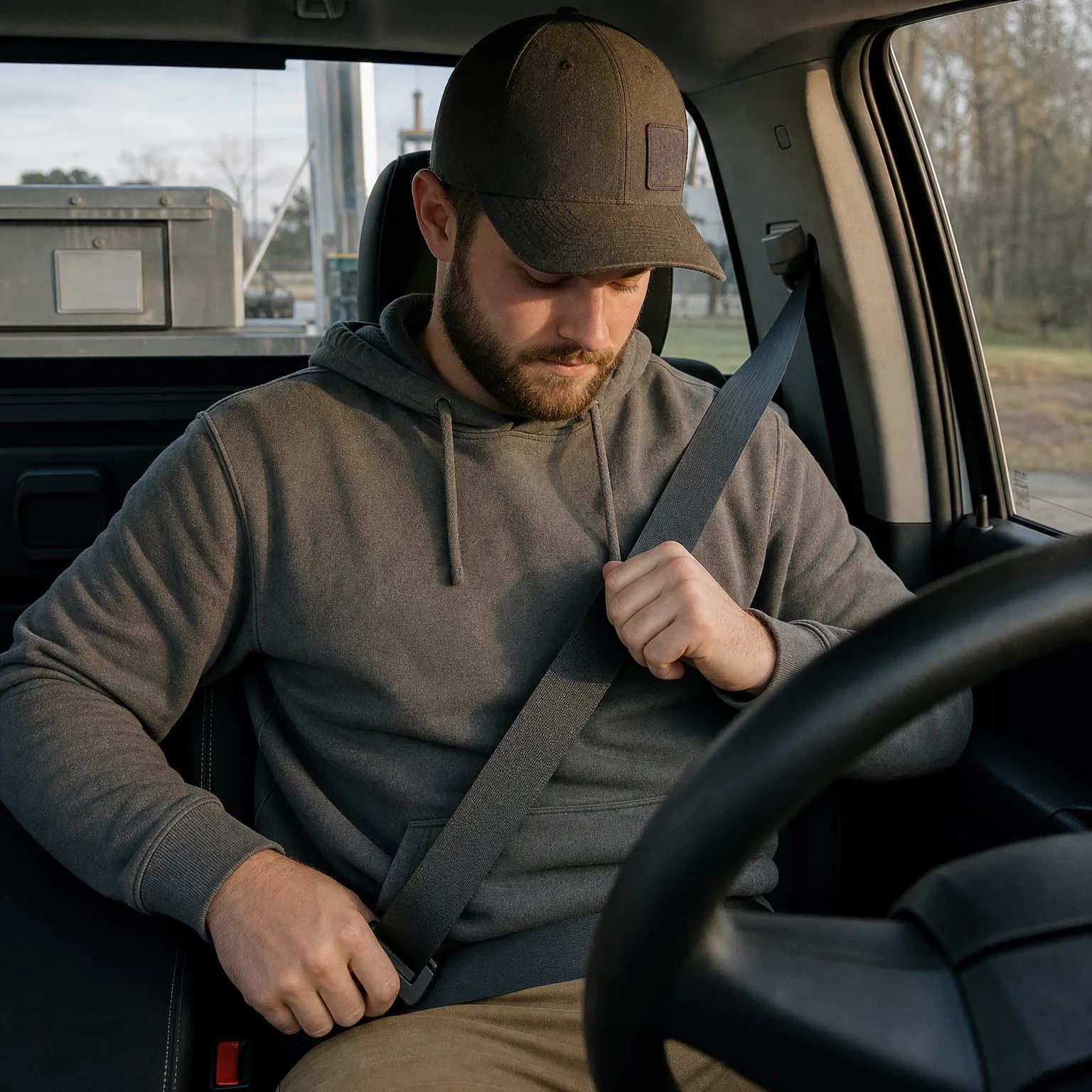






Direct-Online Non-Owner SR-22 Carriers
Geico, Progressive, and State Farm write non-owner SR-22 policies directly through their websites with instant online quotes and same-day electronic filing. Monthly premiums run $45–$85 for clean-record suspended drivers (insurance lapse, unpaid tickets, failure to appear) and $70–$110 for DUI-triggered suspensions. You complete the application online, pay the first month's premium, and receive SR-22 confirmation within 4-6 hours. No broker fee, no policy fee, no human intermediary unless you call their support line.
Direct carriers work efficiently for straightforward suspension scenarios: single DUI with no prior violations in the 7-year lookback, Admin Per Se suspension under A.R.S. §28-1385 where you have already completed alcohol screening, points-based suspensions with no outstanding court orders, or insurance-lapse suspensions where reinstatement requires only SR-22 filing and the $10 base fee. If your situation involves any procedural complexity — court-ordered restricted license documentation, ignition interlock compliance verification, out-of-state violation reciprocity, or conflicting MVD suspension records — direct-online carriers provide minimal support and their systems frequently reject applications that brokers would manually override.
Progressive and Geico both offer mobile app access to your SR-22 certificate PDF, which matters when your restricted license authorization requires you to carry proof of filing during your driving window. State Farm requires you to visit an agent for the physical certificate printout, adding a delay if you need documentation immediately. All three carriers electronically notify Arizona MVD of policy cancellations within 24 hours, triggering automatic re-suspension through AIVS before you receive a paper notice.
The tradeoff: direct carriers save you $600–$900 annually compared to broker-channel premiums, but you absorb all procedural risk. If MVD rejects your SR-22 for a technicality — middle name mismatch between your filing and your suspension letter, incorrect suspension type code on the certificate, or missing court case number for DUI filings — you troubleshoot the rejection alone. Brokers fix these errors as part of their service; direct carriers tell you to call MVD and resubmit.
3 years
Arizona SR-22 Filing Duration
Arizona requires continuous SR-22 filing for 3 years following most DUI, reckless driving, and uninsured-accident suspensions. The 3-year period begins the date MVD receives your initial SR-22 certificate, not the date of your violation or conviction. Allowing coverage to lapse at any point during the 3-year window resets the clock — you must file a new SR-22 and restart the full 3-year continuous-coverage requirement.
A.R.S. §28-4135, Arizona financial responsibility statute

Matching Channel to Filing Scenario
Choose broker-channel carriers when your suspension involves court-ordered documentation requirements, ignition interlock compliance verification under A.R.S. §28-3319, multiple violations in the 7-year lookback, out-of-state SR-22 transfer mid-suspension, or any situation where MVD has previously rejected your filing for administrative errors. The $50–$75 policy fee and higher monthly premium buy you a human intermediary who understands Arizona's multi-step reinstatement process and fixes certificate errors before MVD sees them. If you are applying for a Restricted Driver License and need your SR-22 certificate to match specific court-order language, brokers coordinate that; direct carriers do not.
Choose direct-online carriers when your suspension is administratively clean: single triggering event (one DUI, one insurance lapse, one points threshold), no outstanding court orders beyond standard SR-22 filing, alcohol screening already completed if required, and no ignition interlock compliance documentation needed. You save $50–$75/month and receive same-day SR-22 filing, but you own the risk that MVD rejects your certificate for a name mismatch or missing documentation field. If that happens, you pay a $25–$35 re-filing fee and wait another 3-7 business days for reinstatement processing.
Compare Arizona Non-Owner SR-22 Carriers
Arizona suspended drivers without vehicles need liability coverage that meets state minimums and SR-22 filing capability. Monthly premiums vary by suspension cause, violation history, and distribution channel. Broker-sold non-owner policies from Acceptance, Bristol West, Dairyland, GAINSCO, and The General run $95–$160/mo with $50–$75 policy fees but handle complex filing scenarios and court documentation. Direct-online policies from Geico, Progressive, and State Farm run $45–$110/mo with no policy fees but provide minimal support when MVD rejects filings for administrative errors. Your reinstatement timeline depends on choosing the channel that matches your procedural complexity, not just your budget.
Broker-Channel Non-Owner SR-22 Carriers
Acceptance Insurance, Bristol West, Dairyland, GAINSCO, and The General all accept non-owner SR-22 applications for Arizona suspended drivers. Monthly premiums range $95–$160 depending on suspension cause (DUI filings run $120–$160/mo, points-based and insurance-lapse suspensions run $95–$125/mo). Brokers add a $50–$75 policy fee at purchase and charge $25–$35 for mid-term SR-22 re-filing if MVD rejects your initial certificate due to name mismatch or incomplete court documentation. Processing takes 2-4 business days from application to SR-22 electronic filing.
Broker-channel carriers handle edge cases direct writers reject: suspended drivers with multiple DUIs in the lookback window, court-ordered SR-22 requiring specific policy endorsement language, drivers transitioning from out-of-state SR-22 filings to Arizona mid-suspension, and CDL holders needing non-owner coverage while their commercial license remains revoked. If your suspension involves ignition interlock compliance under A.R.S. §28-3319 or mandatory alcohol screening, brokers coordinate documentation MVD requires alongside the SR-22 filing. You pay more per month, but the broker absorbs the procedural friction Arizona's multi-step reinstatement process creates.
Get Your Free Quote
Get My Arizona Suspended License Insurance QuoteFrequently Asked Questions
Can I buy non-owner SR-22 insurance if I have never owned a car in Arizona?
Yes. Arizona MVD accepts non-owner SR-22 filings from drivers who have never owned a vehicle. The SR-22 certificate proves you maintain state-minimum liability coverage when driving borrowed or rental cars, which satisfies A.R.S. §28-4135 financial responsibility requirements regardless of ownership history.
How long does it take Arizona MVD to process a non-owner SR-22 filing?
Arizona carriers electronically file SR-22 certificates through the state's Insurance Verification System within 1-5 business days of policy purchase. MVD typically receives the electronic filing within 24 hours, but manual reinstatement processing adds 3-7 business days before your license status updates in the system.
What happens if my non-owner SR-22 policy lapses during the 3-year filing period?
Your carrier electronically cancels the SR-22 certificate and Arizona MVD automatically re-suspends your license through the Insurance Verification System with no grace period. You must purchase a new non-owner policy, file a new SR-22, pay reinstatement fees again, and restart the full 3-year continuous-coverage requirement from the new filing date.
Do all Arizona auto insurance carriers offer non-owner SR-22 policies?
No. In Arizona, Acceptance, Bristol West, Dairyland, GAINSCO, The General, Geico, Progressive, and State Farm write non-owner SR-22 policies. Most major carriers like Allstate, Farmers, and Travelers do not offer non-owner products or restrict them to existing customers only.
Can I switch non-owner SR-22 carriers during my 3-year Arizona filing period?
Yes, but the transition must be seamless. Your new carrier must file the SR-22 certificate with MVD before your old policy cancels. Any gap in coverage triggers automatic re-suspension through Arizona's electronic verification system and resets your 3-year filing window. Coordinate effective dates carefully to avoid a lapse.
Does a non-owner SR-22 policy cover me if I borrow a friend's car in Arizona?
Yes. Non-owner liability policies provide state-minimum coverage ($25,000/$50,000/$15,000) when you drive a vehicle you do not own, including borrowed cars. The vehicle owner's policy is primary; your non-owner policy is secondary and covers liability above their limits up to your policy maximums.